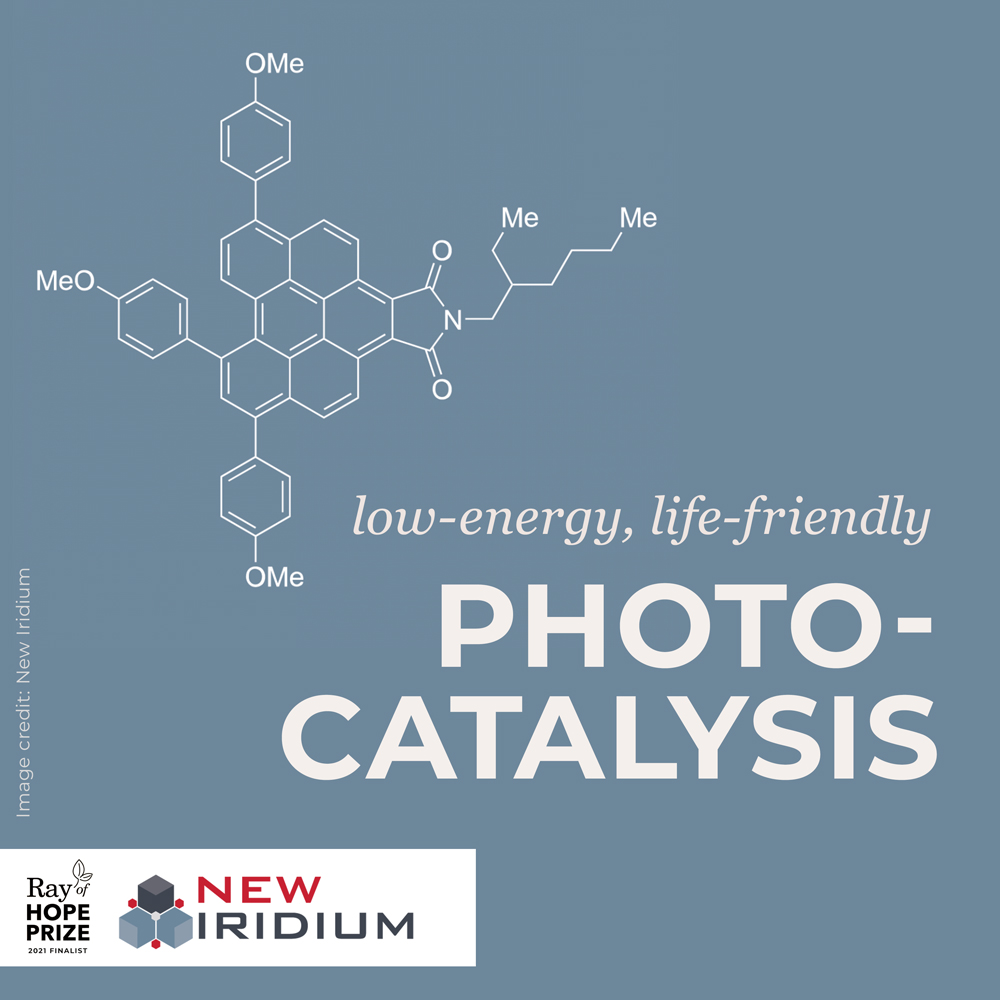
New Iridium and other companies develop light-driven chemical energy systems mimicking photosynthesis. These systems convert light directly into chemical energy (hydrogen, hydrocarbons) without biological organisms.
Photosynthesis is nature's most important energy conversion process: plants use light to convert CO2 and water into glucose (chemical energy) and oxygen. The process occurs in two stages: light reactions (capturing photons and creating energy carriers) and dark reactions (using those carriers to build sugar molecules). Photosynthesis is extraordinarily efficient—theoretical maximum efficiency is 11%, and some plants achieve 6-8%. Artificial photosynthesis aims to replicate this process using non-biological materials. New Iridium and other research groups work on artificial leaf technology: devices that use semiconductor materials (similar to solar cells) to absorb light and drive chemical reactions. A major focus is splitting water (H2O) into hydrogen and oxygen using light. Hydrogen is an excellent energy carrier and fuel—burning hydrogen produces only water. Other systems aim to convert CO2 into useful hydrocarbons (fuels, chemicals) using light energy. The challenge is achieving efficiency comparable to natural photosynthesis while producing fuels at scale and cost-effectiveness. Recent breakthroughs include tandem solar cells (combining multiple semiconductors to capture different wavelengths), catalysts that improve reaction efficiency, and systems that produce methane or other hydrocarbons directly from CO2 and light. Success would enable carbon-neutral fuels, energy storage, and chemical production. Applications include renewable fuel production, carbon capture and utilization, and sustainable chemical manufacturing. This represents systems-level biomimicry: replicating not just the chemistry but the entire energy conversion process that sustains life on Earth.