Product Design
Plant volatile signaling systems, the natural model for GreenPod Labs - Volatile Signaling Food Preservation
GreenPod Labs - Volatile Signaling Food Preservation: the human application

Inspired by: Plant volatile signaling systems

GreenPod Labs - Volatile Signaling Food Preservation

GreenPod Labs

2-3

weeks shelf-life extension

versus conventional packaging

40%

reduction in pre-consumer spoilage

field test results in India

95%

biodegradability of sachet material

compositable packaging

The Problem

Post-harvest produce losses in developing economies reach 40% due to rapid spoilage, pathogenic infection, and uneven ripening. Synthetic preservatives and cold-chain infrastructure are either economically inaccessible or environmentally costly. Natural, scalable preservation methods are needed.

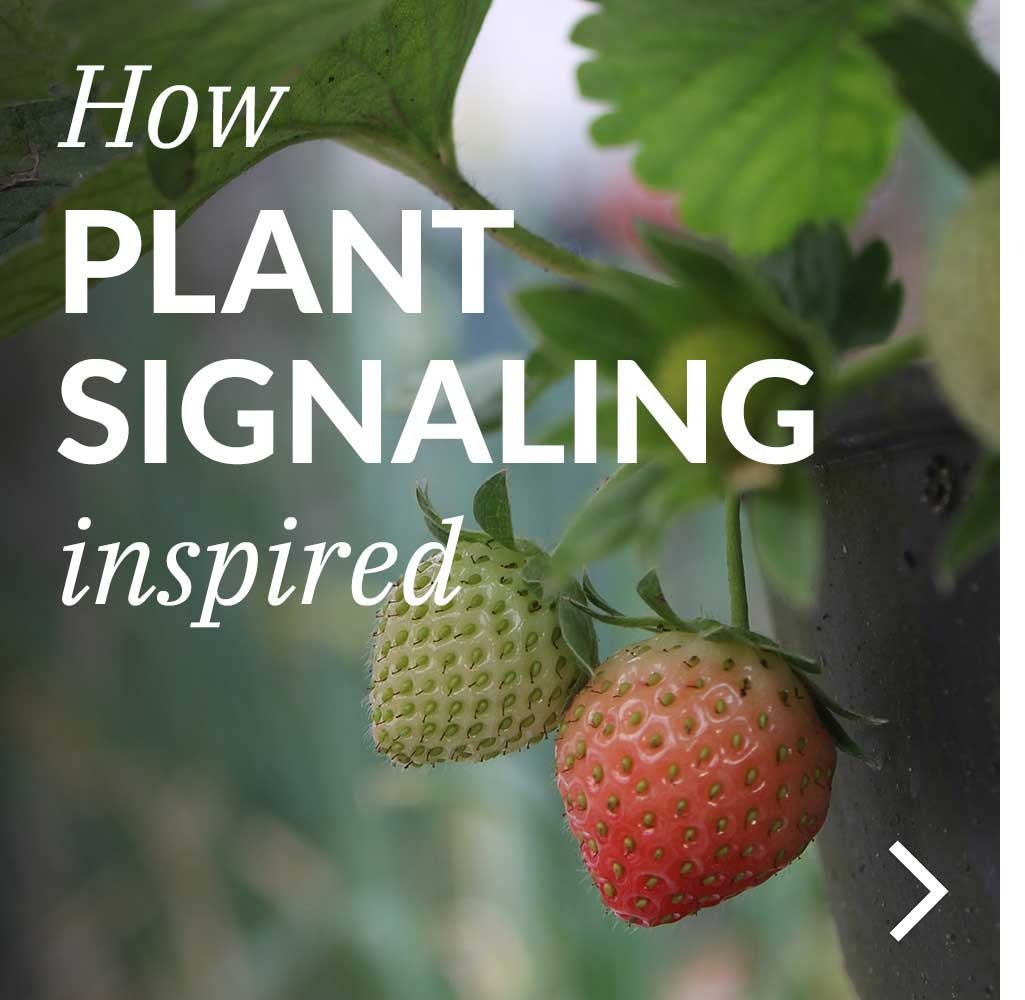
Plant volatile emission patterns inspire bio-based food preservation sachets that extend shelf life without synthetic chemicals.

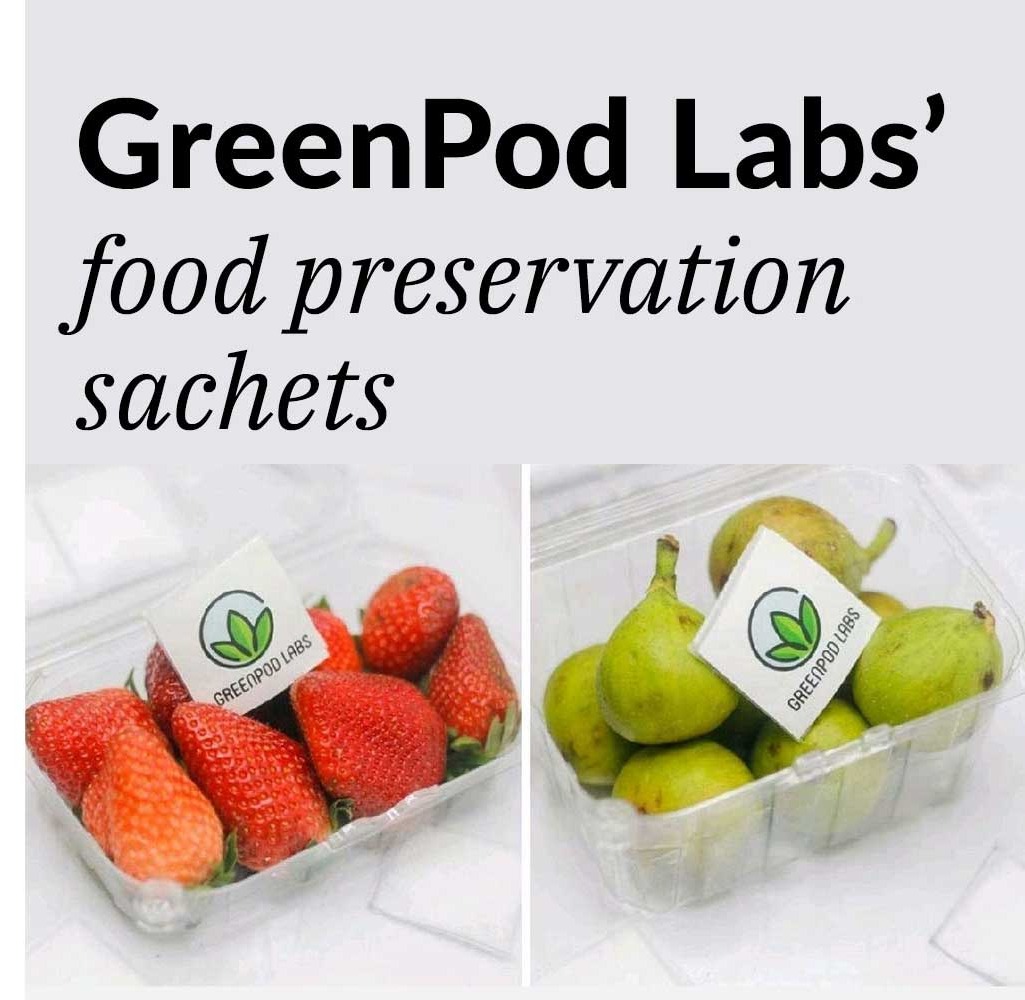
Plants communicate stress and ripeness through volatile organic compounds, triggering defence responses in neighbouring tissues and priming them for pathogen resistance. These airborne signals—ethylene, salicylates, aldehydes—operate as a natural preservation system, slowing spoilage and extending the vitality window. GreenPod Labs recognised that this chemical language, refined over millennia, could be captured and deployed in food packaging systems. Rather than synthetic preservatives or vacuum sealing, the company developed sachets containing botanical extracts that slowly release protective volatiles into produce microenvironments. In India, where 40% of produce spoils before consumer purchase, this innovation addresses a critical food security challenge. The result is packaging that mimics plant immune signalling, creating a hostile microenvironment for decay organisms whilst keeping produce respiration rates optimal. GreenPod's sachets work across tomatoes, berries, leafy greens, and soft fruits, extending shelf life by 2-3 weeks in field trials.
Biomimicry Breakdown

The Biomimicry Analysis

How Plant volatile signaling systems translates into GreenPod Labs - Volatile Signaling Food Preservation

Term
Applied to GreenPod Labs - Volatile Signaling Food Preservation
Function
Produce spoils through ripeness synchronisation with pathogenic infection; growers and distributors must balance rapid turnover against financial viability. Plants solve this by emitting volatiles that signal ripeness to kin whilst simultaneously priming immune defences.
Mechanism
Plant tissues release ethylene when ripe, signalling to adjacent fruits and triggering local immune upregulation. Salicylates accumulate in response to pathogenic threat, closing stomata and increasing antimicrobial enzyme activity. This dual signalling creates a window where fruits ripen safely whilst resisting fungal and bacterial invasion.
Design Principle
Develop preservation systems that leverage volatile chemical communication rather than barriers or cold-storage. Design for dynamic ripeness signalling: packaging should respond to natural ripeness cues, not impose arbitrary timescales. Use naturally occurring plant metabolites, not synthetic chemicals.
Resulting Design
Sachets slowly release botanical volatiles into the produce microenvironment, mimicking natural ripeness signalling whilst maintaining pathogenic suppression. This extends shelf life 2-3 weeks, reduces spoilage significantly in warm climates, and remains fully compositable and food-safe.

Find your own nature-inspired opportunities

Inspired by GreenPod Labs - Volatile Signaling Food Preservation? The Biomimicry Opportunity Map scans your company website and suggests challenges worth solving the way nature would.

Get started →

Apply This

Design Application Prompts

There's a natural world to explore

Learn to find strategies like this yourself