
All Examples

Country · 13 examples

Biomimicry examples from
United Kingdom

13 biomimicry innovations developed in United Kingdom, from products and materials to buildings and systems.

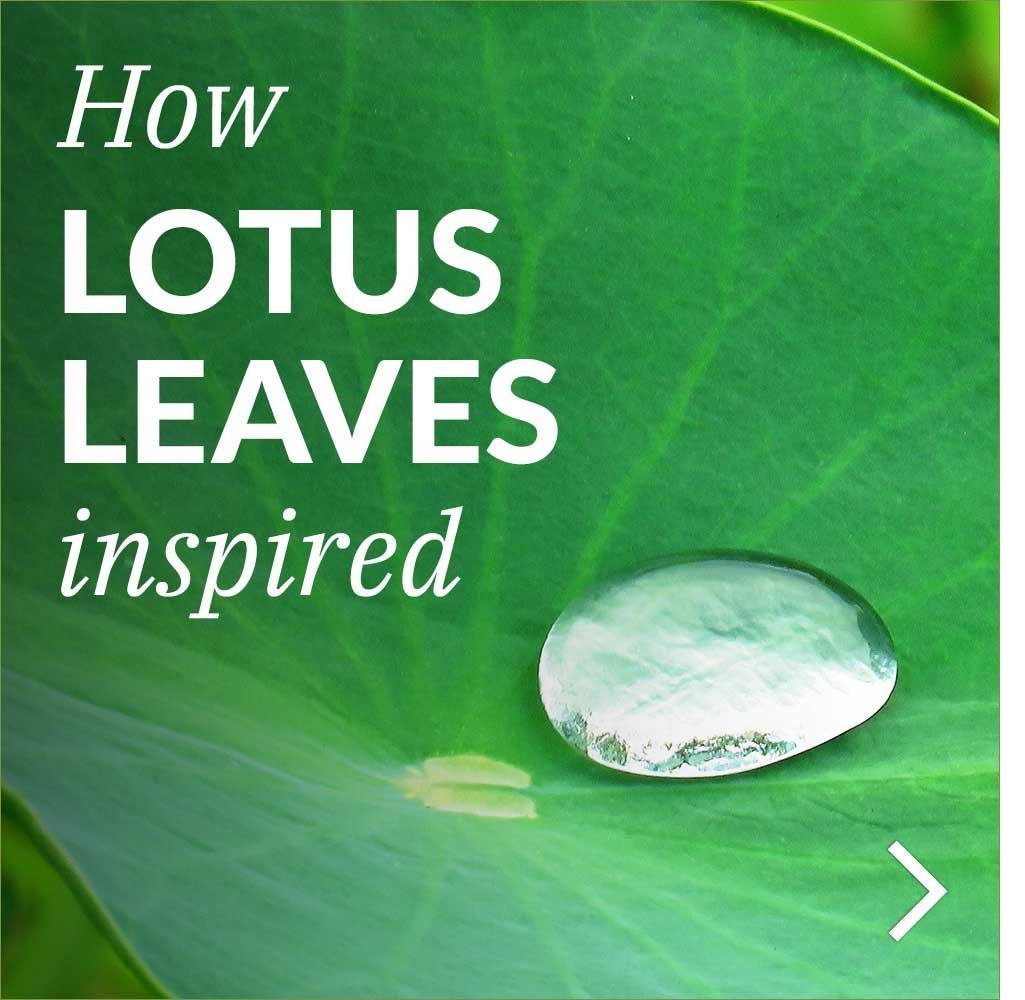
Biological inspiration for Amphico - Lotus Leaf PFAS-Free Water Repellency
Human application for Amphico - Lotus Leaf PFAS-Free Water Repellency
Materials

Lotus leaf (Nelumbo nucifera) surface structure

Amphico - Lotus Leaf PFAS-Free Water Repellency

Lotus leaf surface microstructure inspires PFAS-free, durable water-repellent textiles (Amphitex), eliminating persistent environmental pollutants.

  • ✿Inspired by: Lotus leaf (Nelumbo nucifera) surface structure
  • ⚡︎Function: Lotus leaves must shed water and debris to prevent fungal colonisation and maintain gas exchange. They overcome wettability through multi...
  • ▣Company: Amphico
  • ◉Where: UK
See full biomimicry example
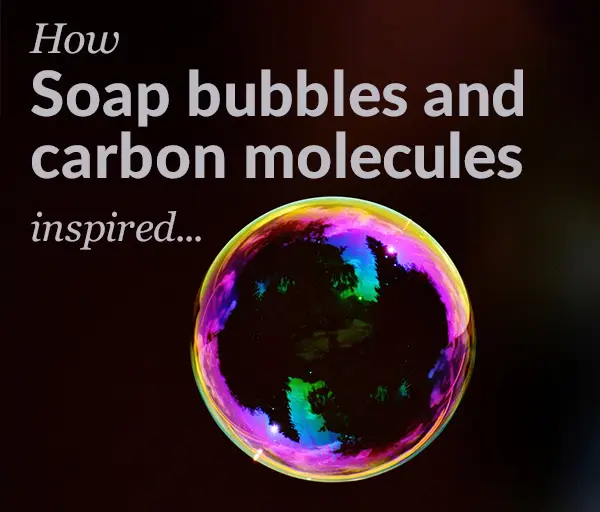
Biological inspiration for Eden Project Biomes: Soap Bubble Geometry
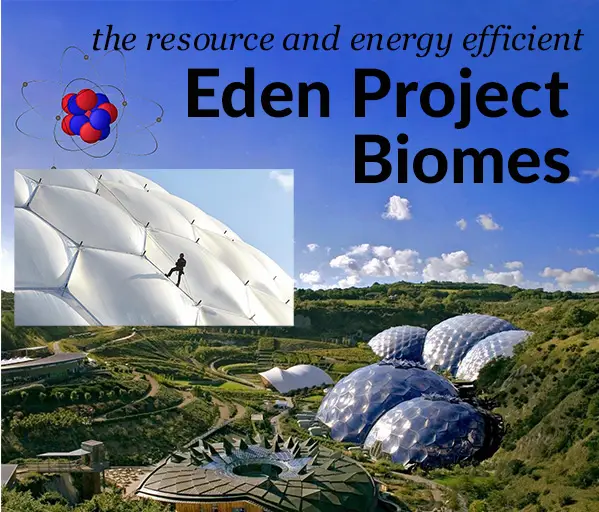
Human application for Eden Project Biomes: Soap Bubble Geometry
Architecture

Soap bubbles, carbon molecules, pollen grains, dragonfly wings, pressurised natural membranes

Eden Project Biomes: Soap Bubble Geometry

The Eden Project's iconic biome enclosures use soap bubble geometry reinforced with hexagons and pentagons, achieving structures lighter than the air they contain using ETFE polymer 1% the weight of glass.

  • ✿Inspired by: Soap bubbles, carbon molecules, pollen grains, dragonfly wings, pressurised natural membranes
  • ⚡︎Function: Large tropical and temperate climate zones must be enclosed, maintaining distinct environments whilst minimising construction cost and on...
  • ▣Company: Grimshaw with Arup
  • ◉Where: Cornwall, UK
See full biomimicry example
Biological inspiration for The Mobius Project: Zero-Waste Nutrient Cycle Greenhouse
Human application for The Mobius Project: Zero-Waste Nutrient Cycle Greenhouse
Architecture

Natural ecosystem nutrient cycling

The Mobius Project: Zero-Waste Nutrient Cycle Greenhouse

This zero-waste urban greenhouse concept mimics natural ecosystem nutrient cycling, where waste from one process becomes input for another, generating food, energy, and water treatment simultaneously.

  • ✿Inspired by: Natural ecosystem nutrient cycling
  • ⚡︎Function: Produce food, energy, and clean water in urban environments whilst eliminating waste and creating economic value.
  • ▣Company: Exploration Architecture (now Iguana Architects)
  • ◉Where: UK
See full biomimicry example
Biological inspiration for Tower of Light: Mollusc Shell-Lace Structure
Human application for Tower of Light: Mollusc Shell-Lace Structure
Architecture

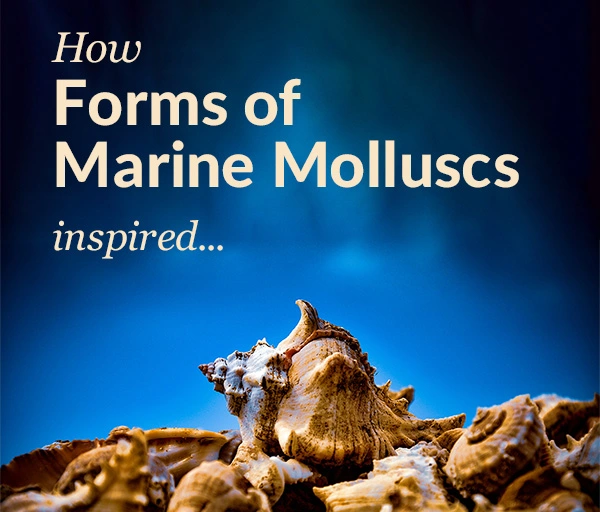
Marine mollusc shells

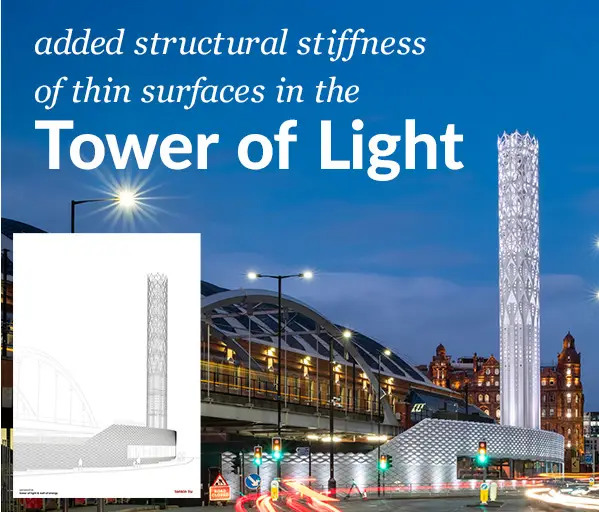
Tower of Light: Mollusc Shell-Lace Structure

This Manchester flue tower uses mollusc shell-inspired lace structure with thin steel sheets (6-8mm) and perforations to achieve remarkable lightness without sacrificing strength.

  • ✿Inspired by: Marine mollusc shells
  • ⚡︎Function: The tower must function as a flue (exhaust structure) while being lightweight, beautiful, and achieving net-zero environmental impact.
  • ▣Company: Tonkin Liu with Arup
  • ◉Where: Manchester, UK
See full biomimicry example
Biological inspiration for Doughnut Economy: Circular Systems Thinking
Human application for Doughnut Economy: Circular Systems Thinking
Organisational Design

Whole systems, ecosystems, and natural capitalism principles

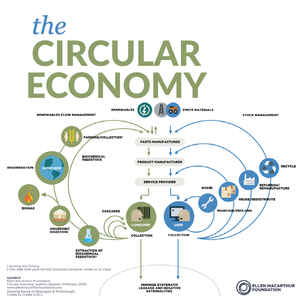
Doughnut Economy: Circular Systems Thinking

Kate Raworth's Doughnut Economy framework applies whole-systems and natural capitalism principles to redesign economic models. This systems-level biomimicry reframes economic success around ecological and social well-being rather than GDP growth.

  • ✿Inspired by: Whole systems, ecosystems, and natural capitalism principles
  • ⚡︎Function: Economic organization and resource allocation
  • ▣Company: Kate Raworth, Doughnut Economics Action Lab
  • ◉Where: UK
See full biomimicry example
Organisational Design

Nature's distributed systems and ecosystem organization

Bioteams Distributed Business Framework

Ken Thompson developed Bioteams framework applying natural distributed organization principles to business. The framework redesigns teams and organizations to operate like decentralized biological systems.

  • ✿Inspired by: Nature's distributed systems and ecosystem organization
  • ⚡︎Function: Organizational coordination and decision-making
  • ▣Company: Ken Thompson, Bioteams Design
  • ◉Where: UK
See full biomimicry example
Organisational Design

Nature's feedback systems and ecosystem regulation

Enterprise Team Organisation: Feedback Loops

Bioteams Design develops organizational structures using natural feedback loop principles. Teams self-regulate through information feedback, enabling adaptive response without micromanagement.

  • ✿Inspired by: Nature's feedback systems and ecosystem regulation
  • ⚡︎Function: Information flow and organizational self-regulation
  • ▣Company: Bioteams Design
  • ◉Where: UK
See full biomimicry example
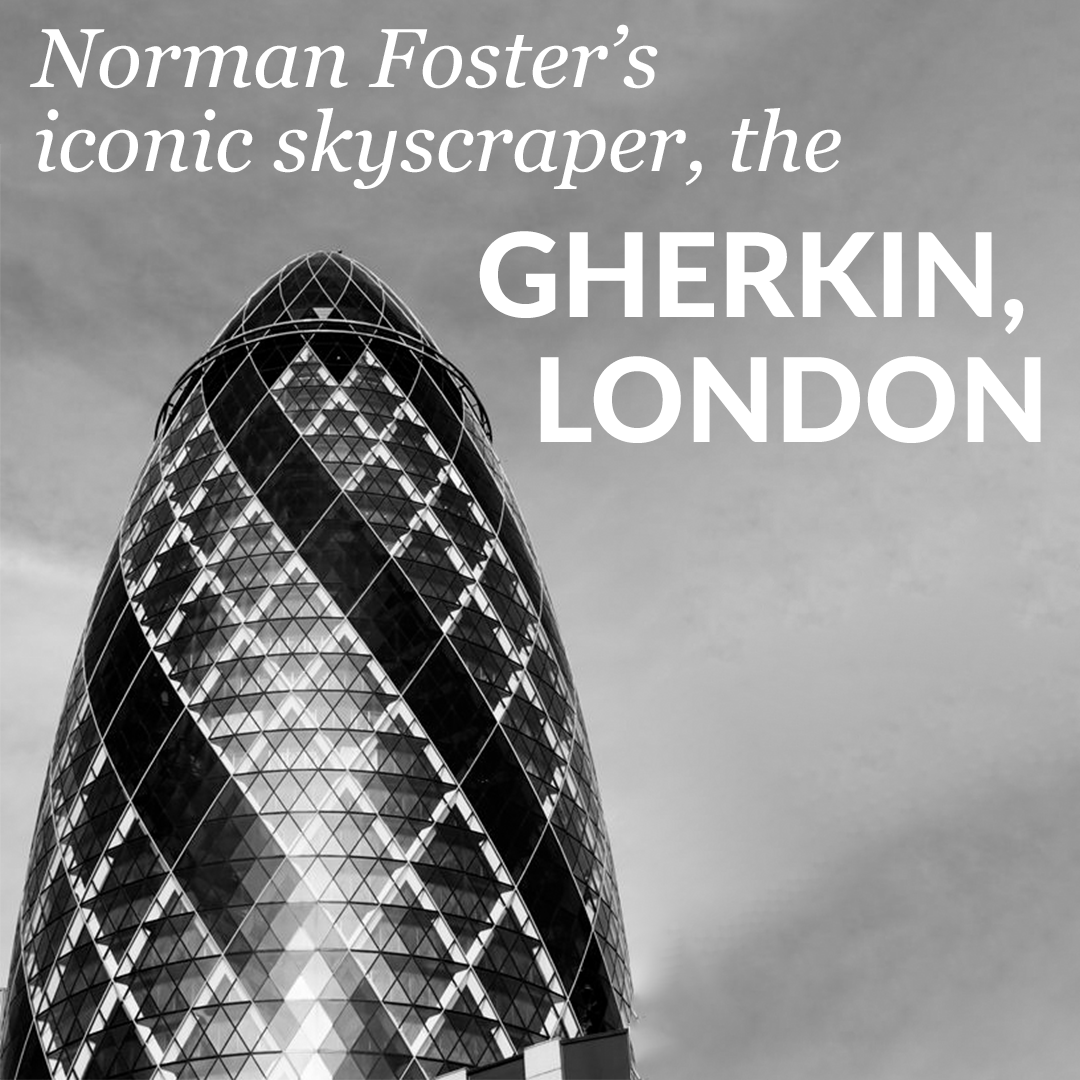
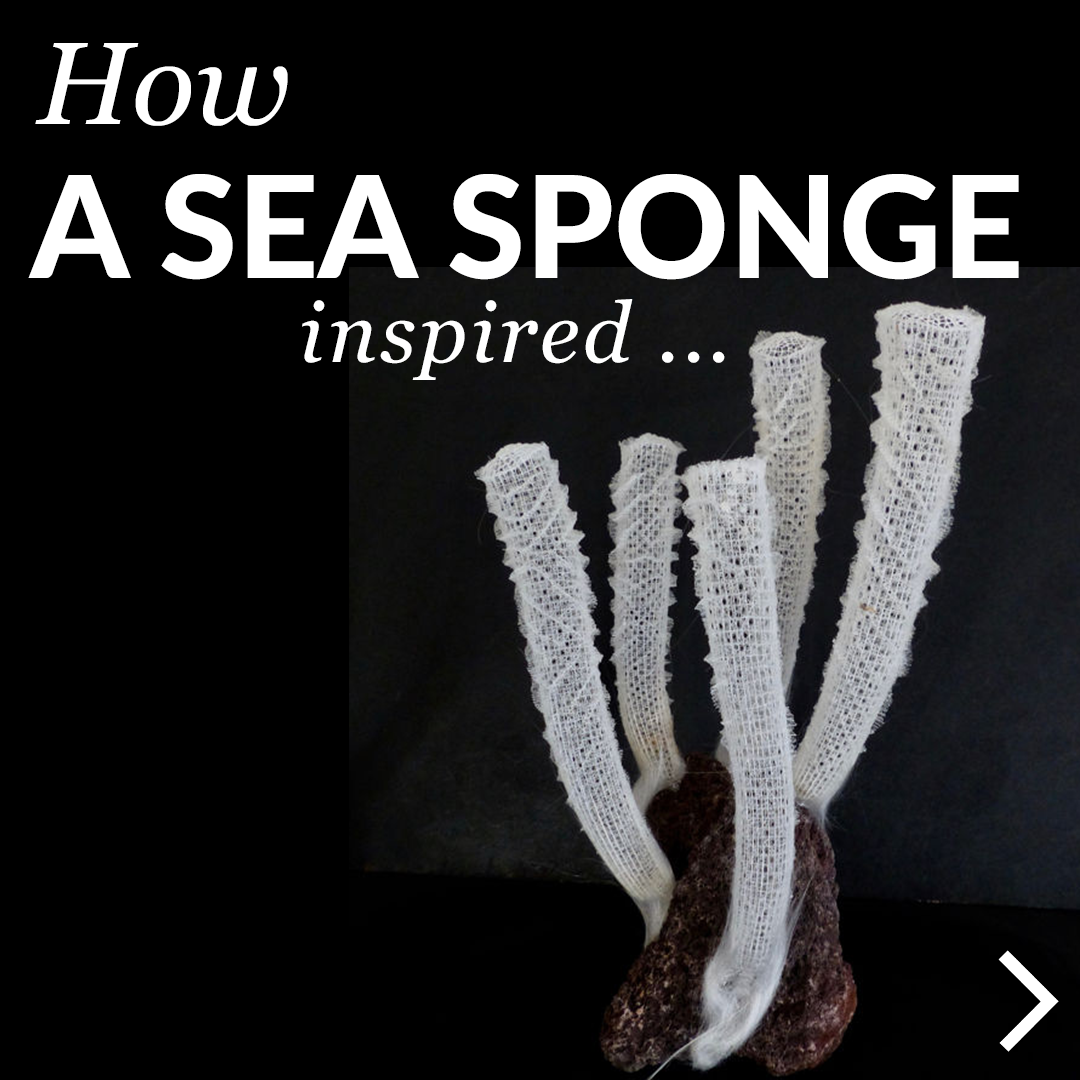
Biological inspiration for The Gherkin: Sponge-Inspired Ventilation
Human application for The Gherkin: Sponge-Inspired Ventilation

Venus flower basket sponge (Euplectella aspergillum)

The Gherkin: Sponge-Inspired Ventilation

30 St Mary Axe (the Gherkin) in London uses a ventilation strategy directly inspired by the Venus flower basket sponge, creating natural air spirals that reduce energy consumption by 50% compared to buildings of equivalent size.

  • ✿Inspired by: Venus flower basket sponge (Euplectella aspergillum)
  • ⚡︎Function: Create a building envelope that enables natural ventilation while maintaining structural integrity
  • ▣Company: Norman Foster / Arup
  • ◉Where: London, UK
See full biomimicry example

For R&D and product teams

Find the problems worth solving in your own products