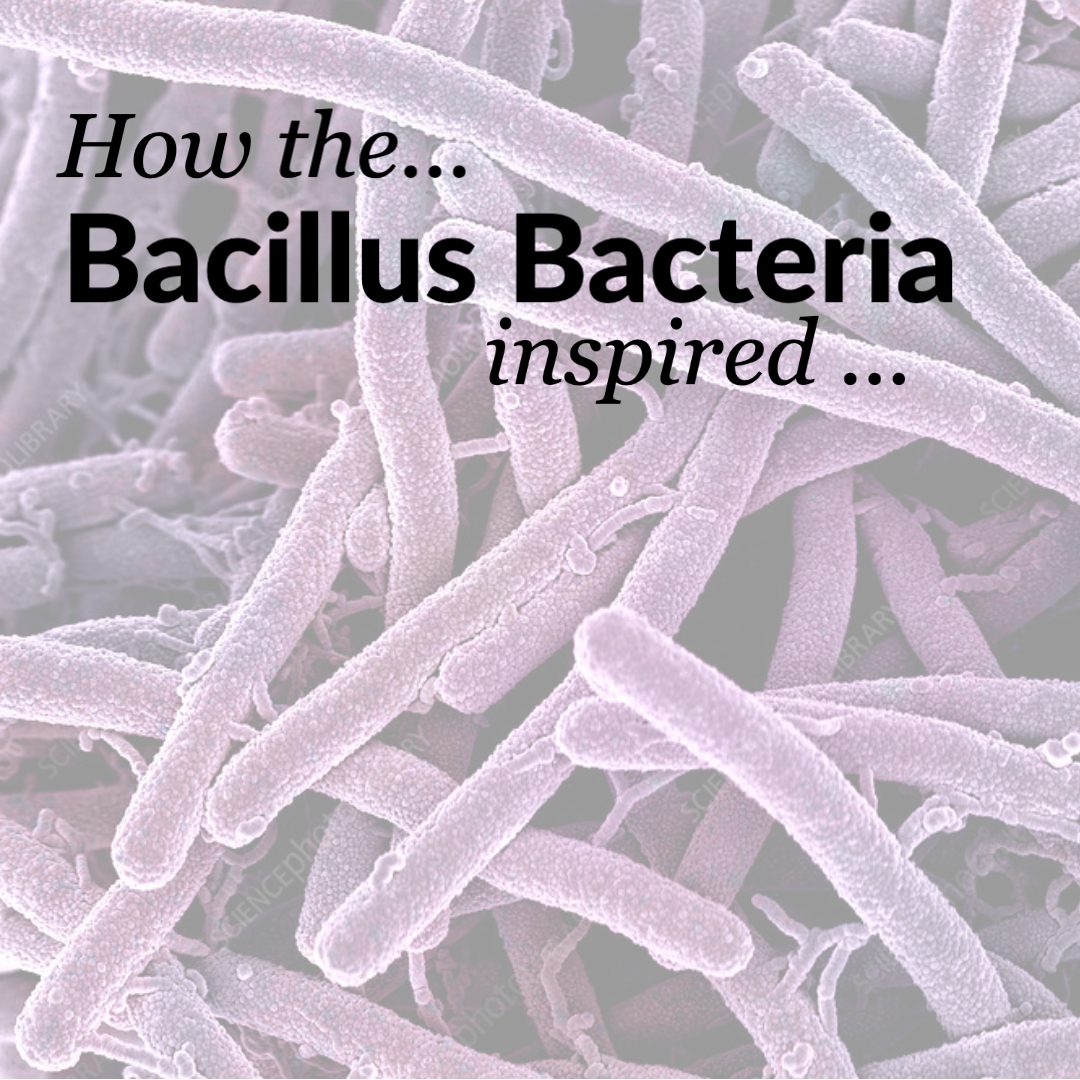
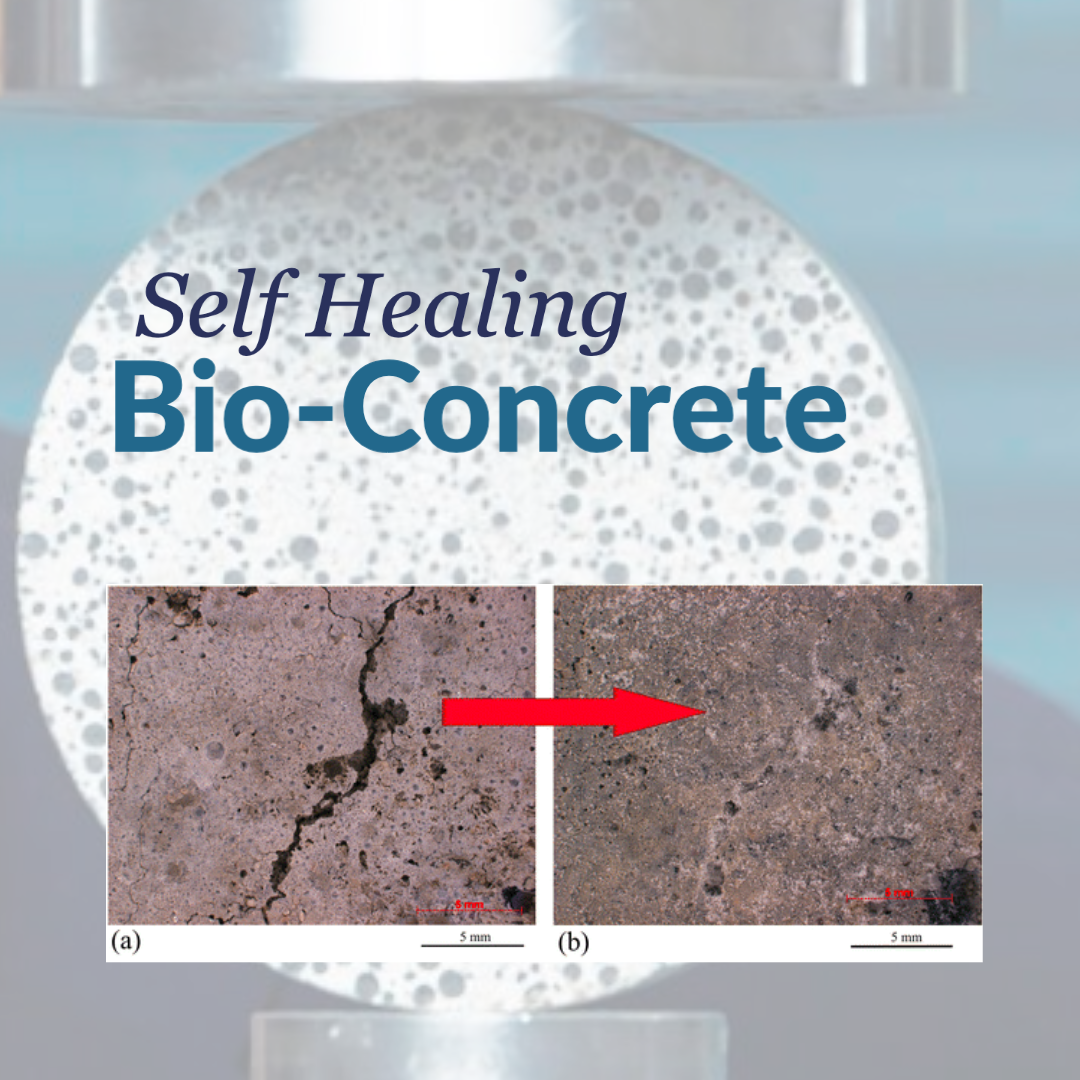
Hendrik Jonkers (Dutch researcher) developed self-healing concrete using Bacillus bacteria. The bacteria produce limestone when exposed to water and oxygen, automatically healing concrete cracks.
Concrete cracks as it ages and is exposed to stress. Cracks allow water infiltration, accelerating deterioration and reducing structural lifespan. Traditional concrete repair requires manual inspection, removal of damaged material, and patching—expensive and imperfect. Hendrik Jonkers, a Dutch microbiologist and researcher, discovered that certain Bacillus bacteria produce calcium carbonate (limestone) through metabolic processes when exposed to water and oxygen. He incorporated dormant Bacillus spores and calcium compound into concrete mix. When cracks form and water infiltrates, the spores activate, producing limestone that fills the cracks. The process is passive and automatic—when cracks appear, the healing mechanism activates. The bacteria remain dormant (don't affect concrete performance) until cracks expose them to the conditions that trigger activation. This potentially extends concrete lifespan dramatically, reducing maintenance and replacement. Field tests show effective crack healing in concrete exposed to water. Advantages include extending structural lifespan, reducing maintenance costs, environmental benefits (fewer replacements reduce carbon footprint), and elegant simplicity (healing is built into the material itself, not requiring external repair). Challenges include ensuring bacteria remain viable during concrete curing, optimizing bacterial species and conditions for different applications, and scaling production. The technology represents true biomimicry: embedding biological healing mechanisms into materials, enabling them to repair themselves like living organisms.