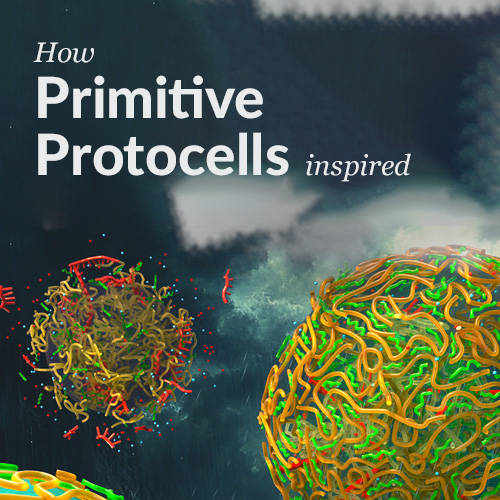
Praio: Protocells for sustainable, low-cost chemical production
Praio: Protocells for sustainable, low-cost chemical production Making ingredients for perfumes or medicines can be expensive and carbon-heavy.
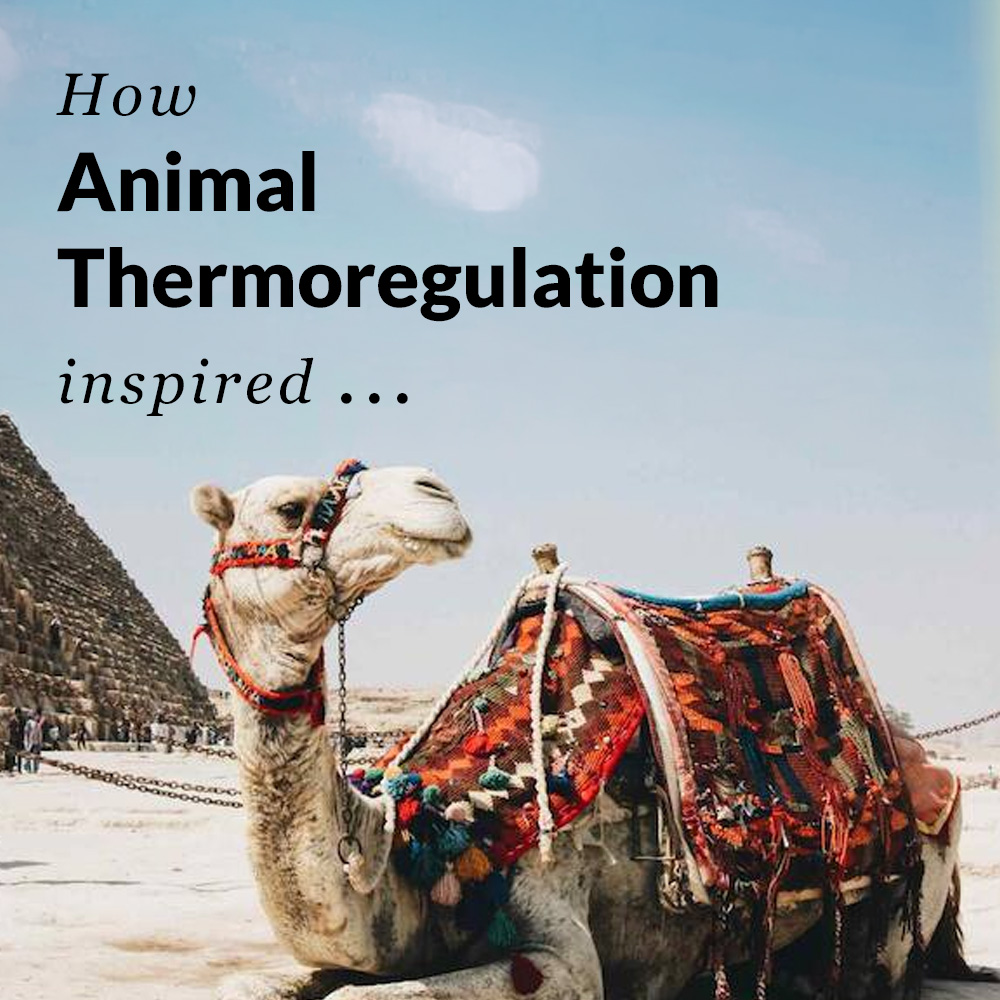
Inspired by: Warm-blooded mammals (eccrine sweating thermoregulation)
MIT (Massachusetts Institute of Technology)
The Problem
Buildings, electronics, and wearable devices generate heat that must be actively removed — typically by energy-intensive air conditioning or cooling systems. Passive cooling approaches have limited effectiveness. A low-energy, regenerative system that responds autonomously to temperature rises is needed, especially as urban heat islands intensify and electronics become more powerful.
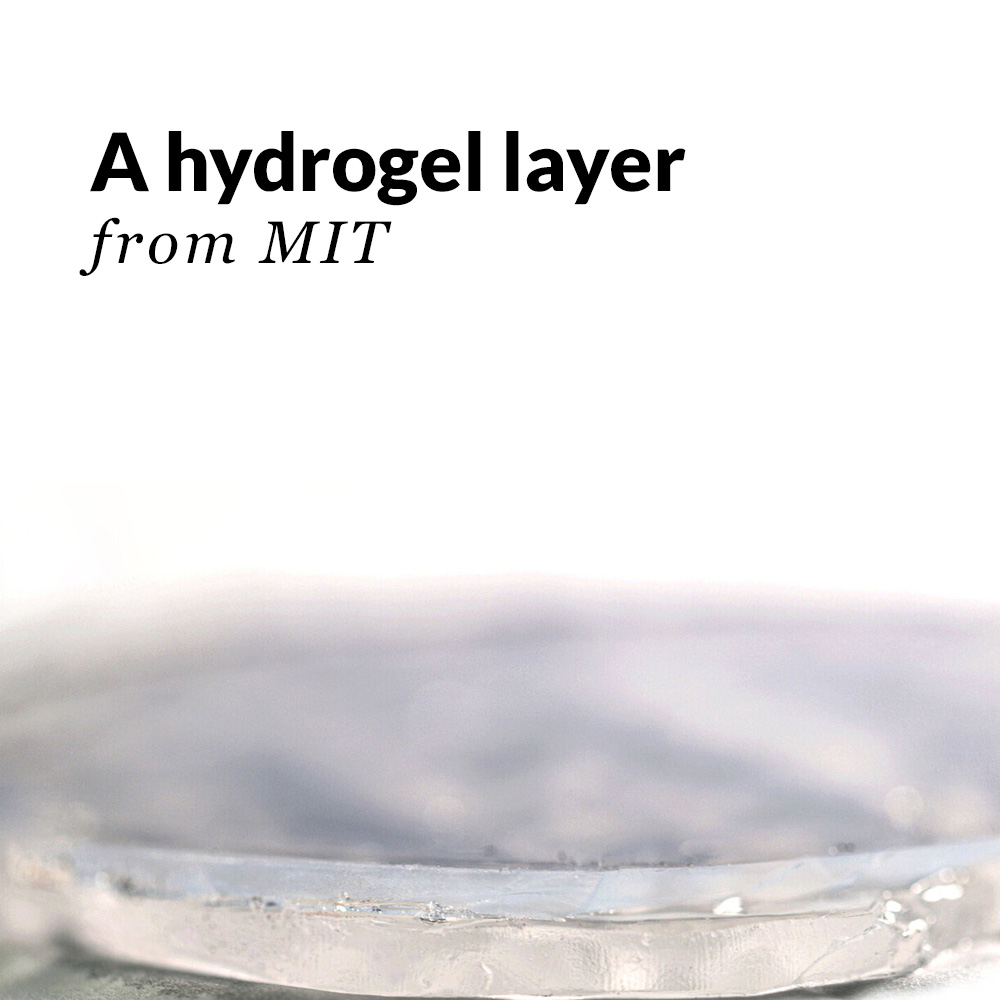
Inspired by how warm-blooded animals cool themselves through sweat evaporation, researchers at MIT developed a temperature-sensitive hydrogel layer that passively releases water when surfaces overheat. The hydrogel acts as an artificial sweating skin — dissipating heat through evaporation with more than twice the cooling efficiency of natural convection, without any energy input or moving parts.
Every warm-blooded animal faces the same thermodynamic challenge: metabolic processes generate heat, but cells can only function within a narrow temperature window. Mammals evolved an elegant solution — eccrine sweat glands embedded in skin that release water precisely when body temperature rises above a threshold. As the water evaporates from the skin surface, it carries heat away through the latent heat of vaporisation, a passive and remarkably efficient cooling mechanism that requires no energy input beyond the thermal signal itself.
MIT researchers translated this biological strategy into a temperature-sensitive hydrogel layer for cooling built environments and electronic devices. The key material is poly(N-isopropylacrylamide) (PNIPA) — a hydrogel that undergoes a sharp phase transition at around 32°C, releasing stored water in a sweating-like response when that threshold is exceeded. Below the threshold, the hydrogel absorbs and retains water from the environment; above it, water is expelled from the polymer network and evaporates from the surface, carrying heat away.
Applied as a passive layer to building facades, electronic device surfaces, or wearable materials, the hydrogel's heat transfer coefficient exceeds twice that of natural convection and radiation alone. After heat dissipation, the hydrogel rehydrates from ambient moisture, readying itself for the next thermal event — a fully regenerative system requiring no pumps, compressors, or power input. The approach directly addresses the growing challenge of urban heat islands, electronic overheating, and the energy cost of conventional air conditioning, offering a passive, biomimetic alternative inspired by 300 million years of mammalian thermoregulation.
Apply This
Praio: Protocells for sustainable, low-cost chemical production Making ingredients for perfumes or medicines can be expensive and carbon-heavy.


Lily (Zantedeschia aethiopica)
The PAX Water Mixer mimics the golden ratio spiral flow of a calla lily to circulate 10 million gallons of water with the energy footprint of just three 100-watt light bulbs.
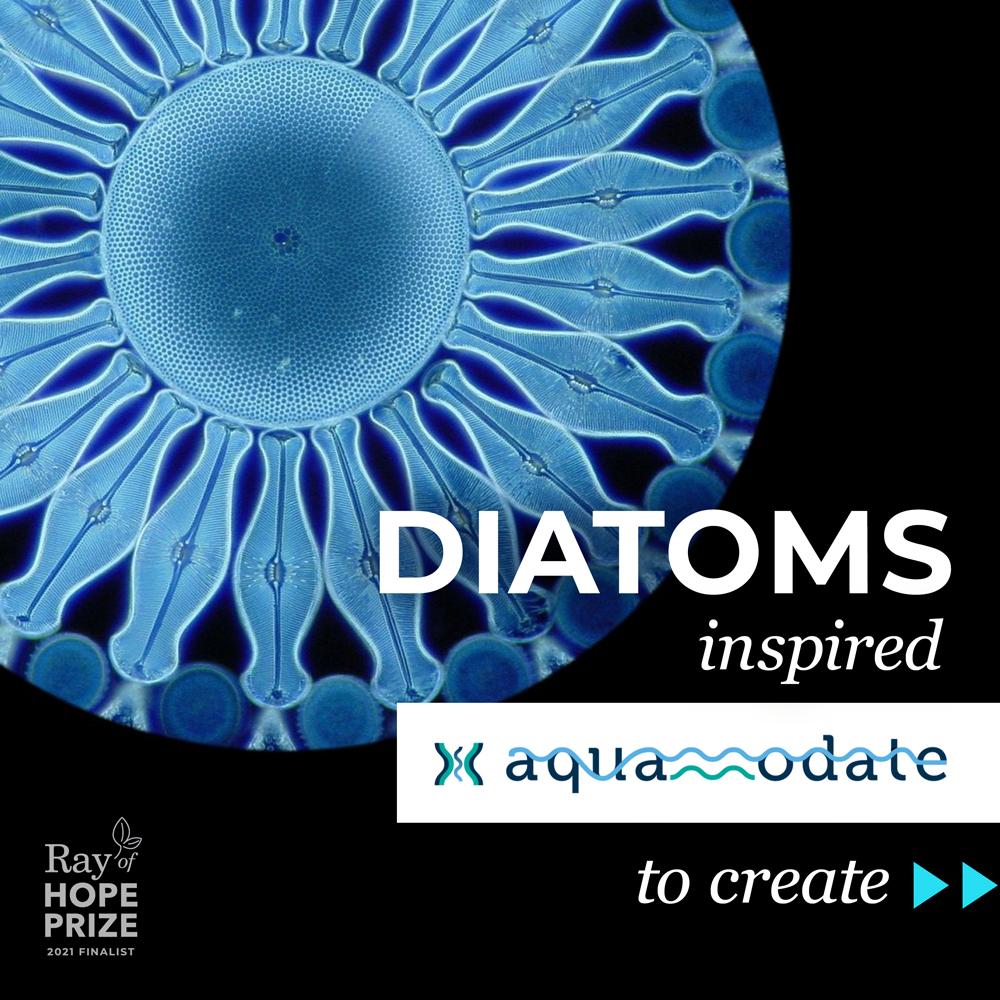
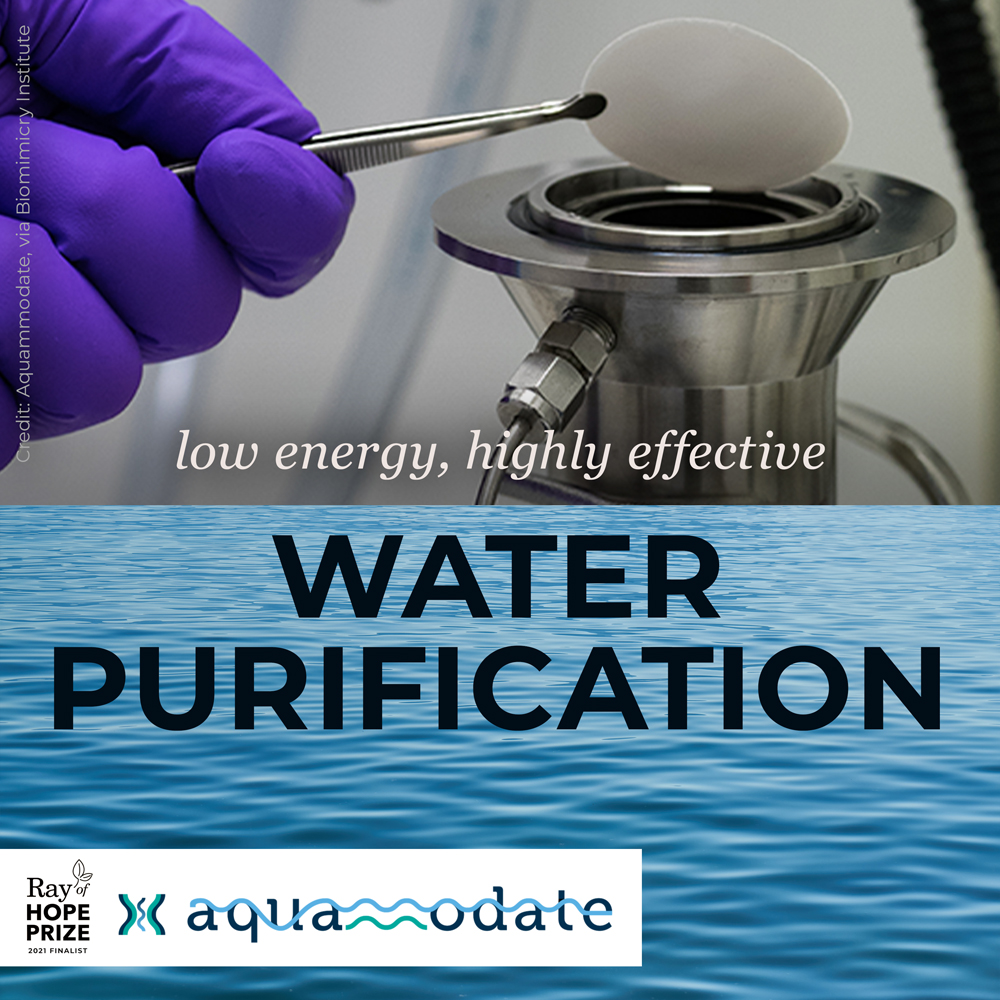
Aquaporin water channel proteins (found in all organisms)
Reverse osmosis water filtration systems inspired by aquaporin water channel proteins that enable selective, efficient water transport across membranes.
There's a natural world to explore